

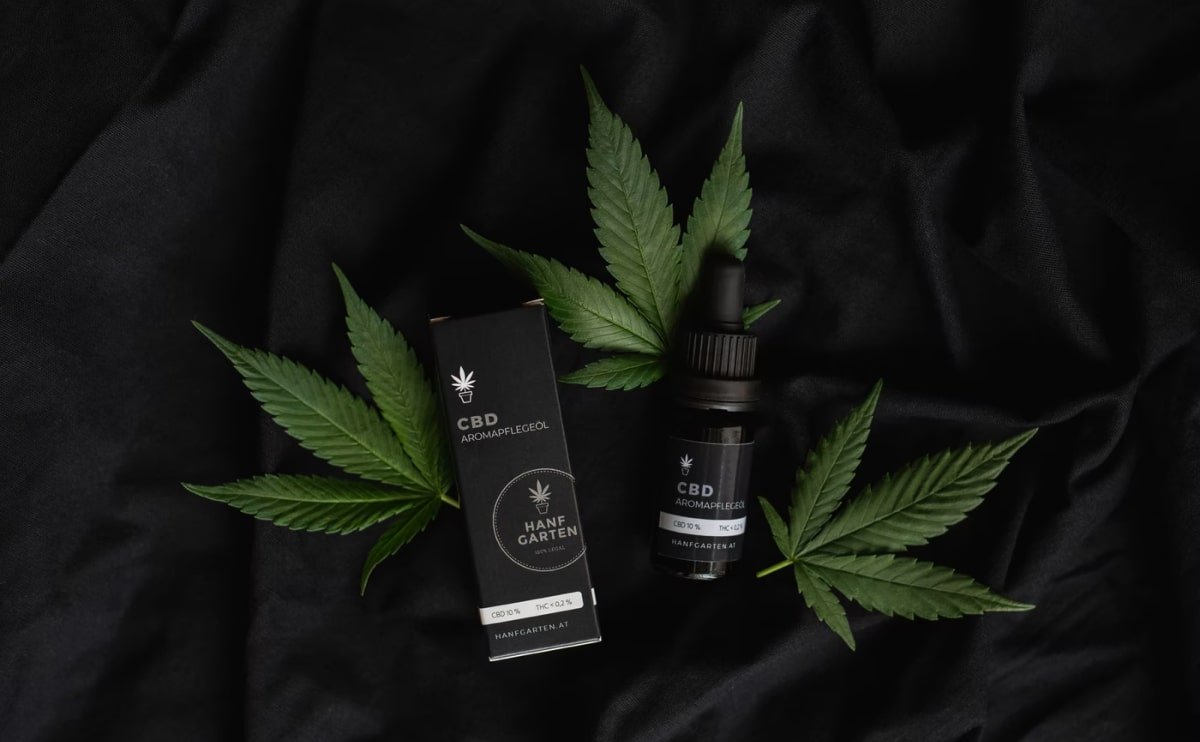
Understanding cannabis laws in the UK helps people learn about controlled substances and their legal responsibilities. Cannabis remains a controlled drug under British legislation. Therefore, anyone researching this subject should understand the rules surrounding possession, production and supply.
This guide explains the general legal position. Additionally, it explores medical cannabis regulations and the importance of checking reliable information.
1. How Does the UK Classify Cannabis?
The Misuse of Drugs Act 1971 classifies cannabis as a Class B controlled drug. Consequently, the law restricts activities involving cannabis unless a specific legal authorisation or exemption applies.
These restrictions cover several activities, including:
- Possessing controlled cannabis substances.
- Producing cannabis without the required authorisation.
- Supplying or offering to supply controlled cannabis.
- Importing or exporting controlled cannabis without permission.
Furthermore, the Home Office controls certain cannabinoids, including THC. For this reason, people should never assume that every cannabis-derived product meets UK legal requirements.
2. What Does the Law Say About Possession and Supply?
UK legislation establishes penalties for different controlled-drug offences. However, the circumstances of each case can influence the legal outcome.
For example, possession of a Class B drug can carry up to five years’ imprisonment, an unlimited fine, or both.
Meanwhile, production and supply offences can carry up to 14 years’ imprisonment, an unlimited fine, or both.
These penalties demonstrate why understanding the law matters. Therefore, anyone seeking clarification should consult official government guidance or a qualified legal professional.
3. Can Doctors Prescribe Medical Cannabis in the UK?
Yes. Specialist doctors can prescribe certain cannabis-based medicines under specific conditions.
However, NHS prescribing remains limited. A specialist must assess the patient’s medical circumstances before recommending an appropriate treatment.
For example, certain cannabis-based medicines may have a role in treating particular forms of epilepsy, chemotherapy-related nausea and multiple sclerosis symptoms.
Nevertheless, an online product advertised as medical cannabis does not automatically qualify as an authorised medicine.
Patients should always consult qualified healthcare professionals before making treatment decisions.
4. Why Should People Check Product Legality?
Product labels do not always provide enough information to establish legal status. Additionally, some products may contain controlled cannabinoids that manufacturers do not clearly disclose.
The composition and quality of a product also matter. Consequently, readers should examine reliable regulatory information rather than depend entirely on advertising claims.
For further general information, visit FlowerSweetsUK.
You can also consult Google to find additional educational resources. However, prioritise official government and healthcare sources when checking legal information.
Frequently Asked Questions
Is recreational cannabis legal in the UK?
No. UK law continues to control recreational cannabis. Therefore, possession and supply generally remain unlawful unless a specific legal exemption applies.
Is THC controlled in the UK?
Yes. THC is a controlled cannabinoid under UK drug legislation.
Can a doctor prescribe medical cannabis?
Yes. However, only certain cannabis-based medicines qualify, and specialist prescribing requirements apply.
Is every CBD product automatically legal?
No. The ingredients and composition determine whether a particular product meets applicable legal requirements.
Final Thoughts
Understanding cannabis laws in the UK helps readers recognise their legal responsibilities and distinguish regulated medicines from other products.
Furthermore, reliable information can prevent confusion about controlled substances and medical prescriptions.
Always consult official government guidance or a qualified professional when you need specific legal advice.