

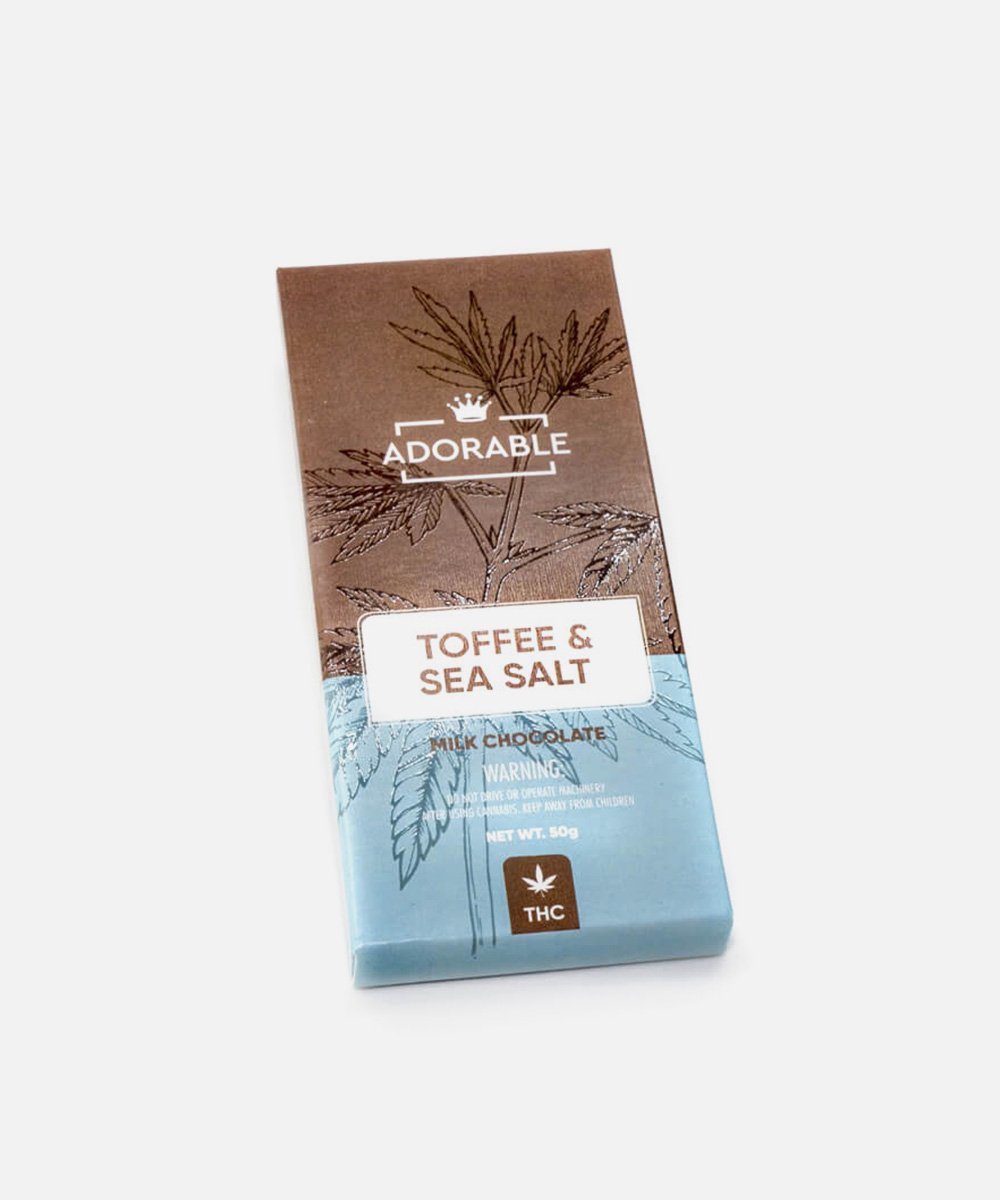
Understanding THC and CBD differences helps readers learn about two well-known compounds found in cannabis plants. Although both belong to the cannabinoid family, they have different properties and effects.
Furthermore, their legal status and potential health implications also differ. This guide explains their main characteristics and highlights important safety considerations.
1. What Is THC? | THC and CBD differences
THC stands for tetrahydrocannabinol. It is a psychoactive cannabinoid associated with the intoxicating effects of cannabis.
THC interacts with the body’s endocannabinoid system. Consequently, it can influence perception, memory, mood and coordination.
However, its effects vary between individuals. Factors such as exposure, concentration and personal circumstances can influence the experience.
Potential adverse effects include:
- Impaired short-term memory.
- Difficulty concentrating.
- Changes in perception and coordination.
- Anxiety or panic reactions.
- Increased psychological risks for some individuals.
Additionally, adolescents and people with certain mental health vulnerabilities may face particular concerns.
2. What Is CBD? | THC and CBD differences
CBD stands for cannabidiol. Unlike THC, CBD does not typically produce the same intoxicating effects.
Researchers continue to investigate its potential medical applications. However, this does not mean that every CBD product has proven medical benefits.
CBD can also cause side effects. For example, it may interact with certain medicines and affect liver function.
Therefore, anyone taking prescription medication should seek professional advice before considering CBD products.
3. What Are the Main Differences Between THC and CBD?
THC and CBD differ in several important ways. Their psychoactive properties, possible effects and legal treatment provide useful points of comparison.
| Feature | THC | CBD |
|---|---|---|
| Full name | Tetrahydrocannabinol | Cannabidiol |
| Psychoactive effects | Intoxicating | Not typically intoxicating |
| Research | Studied for several effects | Studied for potential applications |
| UK legal status | Controlled cannabinoid | Pure CBD is not controlled, but product composition matters |
| Safety considerations | Intoxication and psychological risks | Possible medicine interactions and side effects |
However, these descriptions represent general differences. Individual products may contain several cannabinoids, so their actual ingredients matter.
4. How Does UK Law Treat THC and CBD?
UK legislation treats THC and CBD differently. THC is a controlled cannabinoid under the Misuse of Drugs Act 1971.
By contrast, pure CBD as an isolated substance is not controlled under that Act.
Nevertheless, a CBD product may contain THC or other controlled cannabinoids. Consequently, its legal status depends on its composition and whether it satisfies the relevant legal requirements.
People should therefore avoid assuming that a product is legal simply because its label says CBD.
5. Are CBD Products Completely Risk-Free?
No. CBD can cause side effects and interact with certain prescription medicines.
For example, CBD may affect liver function and influence how the body processes some medicines.
Additionally, the quality and composition of products sold online can vary. Therefore, consumers should treat unsupported safety claims with caution.
The NHS provides useful information about medical cannabis and cannabis-based products.
For further general information, visit FlowerSweetsUK.
You can also explore Google for additional educational resources. However, use recognised healthcare and government websites when checking medical or legal claims.
Frequently Asked Questions
Does CBD cause the same high as THC?
No. CBD does not typically produce the same intoxicating effects associated with THC.
Is THC legal in the UK?
THC is a controlled cannabinoid under UK legislation. However, specific legal provisions and exemptions may apply in certain circumstances.
Can CBD interact with medication?
Yes. CBD can affect how some medicines work. Therefore, patients should consult a healthcare professional.
Are all CBD products identical?
No. Their ingredients, concentrations, quality and legal status can vary considerably.
Final Thoughts | THC and CBD differences
Understanding THC and CBD differences helps readers evaluate health information and recognise important legal distinctions.
However, product labels alone cannot establish safety or legality. Always check reliable medical and government information before making decisions.